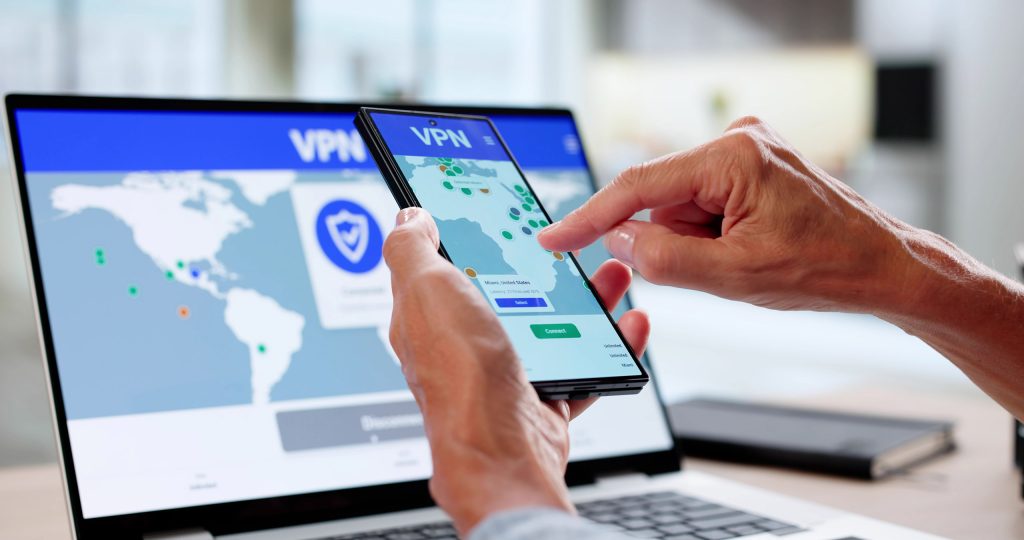
Just when you’re settled into the couch to binge-watch the show you’re obsessed with, Amazon Prime Video throws you a curveball. Instead of your next episode loading, you’re greeted with a frustrating error message or a vague “something went wrong” notice that leaves you guessing. Not exactly the relaxing evening you had planned.
If you’re using a VPN specifically to unlock content intended for other regions, you’ve discovered one of the realities of using it for this purpose. Simply put, it isn’t guaranteed to work. Suddenly, you’re stuck toggling settings, refreshing pages, and wondering if you broke something along the way.
The good news? These issues are extremely common, and they’re usually fixable without calling your friend who’s a whiz with computers. With a bit of guidance, you can troubleshoot the problem methodically and get back to streaming before your popcorn gets cold.
This guide walks you through exactly how to fix it step by step. And if knowing about what’s happening under the hood matters to you, why Prime Video blocks VPNs.
Decoding Prime Video’s Streaming Error
So, why do these error messages occur? When Prime Video detects something unusual about your connection, it may block playback entirely. You might be directed to a webpage with a message about a proxy or VPN being detected, or you could encounter endless buffering or unavailable content.
Streaming platforms rely on your IP address to determine your location and analyse your activity. If something doesn’t match up, like your IP shows one country while your device settings suggest another, it raises a red flag. Your current IP could have been added to block list because it’s been identified as a shared IP address associated with a VPN service.
In some cases, the error isn’t even explicit. You may notice that certain titles are missing or that playback fails. With no confirmation that your VPN is causing the issue, this ambiguity can make troubleshooting more challenging.

Why and How Prime Video Blocks VPNs
Wondering why Netflix is being so proactive about blocking VPNs? Streaming services like Prime Video have licensing agreements that specify where certain content can be shown. Because of this, they actively work to prevent users from bypassing regional restrictions to uphold their obligations to the studios and production houses.
VPNs route your internet traffic through servers in different locations. By doing so, it changes your visible IP address. While this is great for privacy, it also makes it harder for platforms to verify your real location.
To enforce their rules, Prime Video uses several detection methods:
- Tracking known VPN server IP addresses
- Monitoring large numbers of users connecting from the same IP
- Detecting DNS mismatches between your device and network
- Identifying traffic patterns typical of VPN usage
If your VPN server is flagged, your access gets blocked. In many cases, it has nothing to do with your activity on the platform.
Your Amazon Prime Account Is Safe
If you’re concerned that your account might be banned for using a VPN, take a deep breath.
Prime Video typically doesn’t suspend accounts for VPN usage. Remember, they want to keep you as a customer. Instead, it simply pauses access until it detects a standard connection that isn’t associated with a VPN service. Your subscriptions, watch history, and account details remain intact.

How to Access Prime Video When Your VPN Doesn’t Work
1. Connect to a Different Server
Not all VPN servers are created equal. Prime Video flags some, while others still work perfectly.
Here’s where you want to start with your troubleshooting journey. Switch to a different server in the same region using your VPN’s app. Then refresh your page or relaunch Netflix. This is often the quickest and most effective fix.
2. Clear Your Browser’s Cache and Cookies
Your web browser stores location data that can conflict with your VPN connection. Clearing the cache and cookies removes this stored information and creates a fresh connection. You’ll typically find it in the privacy and security section of your browser’s settings.
After clearing the cache, restart your browser before testing playback on Netflix again.
3. Log Out of Prime Video and Sign Back In
Sometimes your session data becomes tied to your previous IP address. Logging out and logging in again refreshes your session and can resolve playback issues.
This might not work on its own, but if you’ve tried other solutions and aren’t seeing the results, try it out.
4. Try a Different Browser
Browsers handle location tracking differently. If you’re having trouble on one browser, switching to another can bypass the issue entirely. For example, if Google Chrome is your default browser, try using Mozilla Firefox or Microsoft Edge.
It’s a temporary fix if you’re not interested in switching browsers, but it’ll help you get your shows and movies faster.

5. Try a Different Device
If you’ve tried several solutions and aren’t getting anywhere, test another device. Simply switching to a device like a smartphone, tablet, or smart TV is known to completely change the game.
This helps determine whether the problem is device-specific or related to your VPN setup.
6. Update the VPN App
Outdated VPN apps may use servers or configurations that no longer work with streaming platforms. In general, it’s the type of app you want to update as frequently as possible.
Make sure your VPN software is the latest version to access the latest servers and fixes.
7. Change the VPN Protocol
As you may know, VPN protocols control how your data is transmitted. Some are faster but easier to detect, while others are more secure and harder to block.
Switching protocols (for example, from OpenVPN to WireGuard) can sometimes restore access instantly. You may have to drill down in the settings of your VPN app a bit, but most major providers allow you to change it.
8. Activate the Kill Switch and DNS Leak Protection
This trick is a bit of a two-in-one. First, a kill switch ensures your real IP address isn’t exposed if the VPN disconnects. Second, DNS leak protection prevents your device from revealing your true location through DNS requests. Both are often enabled by default in VPN apps, but have a look to be sure.
These features help maintain a consistent and secure connection. That’s a good proactive step, as Prime Video is less likely to flag your account.
9. Flush Your DNS
Your system may store outdated DNS records that conflict with your VPN.
In Windows, open Command Prompt as an administrator. Type ipconfig /flushdns, and press Enter.
On Mac, open Terminal and type sudo dscacheutil -flushcache; sudo killall -HUP mDNSResponder, and press Enter. It will prompt you to enter your system password to continue.
Flushing your DNS clears this data and forces your device to fetch updated network information. It’s a simple fix that can resolve stubborn connection issues.
10. Get a Dedicated IP Address
Shared IP addresses are more likely to be flagged because many users connect through them.
A dedicated IP is used only by you, making it less suspicious and more reliable for streaming. It’s often offered as an add-on by top-notch VPN providers like NordVPN.
11. Ask Customer Support for Assistance
If you’re using a reputable VPN, their support team likely knows which servers currently work with Prime Video. Ask support about how you can go about reliably connecting to Netflix with your VPN enabled.
They can guide you to the best options efficiently, saving you time and frustration.
12. Switch Your VPN Service Provider
If nothing else works, your VPN provider may simply not be compatible with Prime Video.
Some VPNs invest heavily in bypassing streaming restrictions, while others don’t prioritize it. Switching providers can make a significant difference.
Try popping into communities on Reddit or on message boards to see which VPNs Prime Video users recommend. You can also check out LetMeBy’s top 3 VPN providers to get started in your search.

Conclusion
Running into VPN issues with Prime Video can be a headache, but it’s rarely permanent. Most problems come down to mismatched data, outdated settings, or flagged servers. All of these can be fixed with a few targeted adjustments.
The key is to approach troubleshooting step by step rather than trying to tackle a bunch at once. Start simple, test each change, and you’ll usually find a solution.
It feels gratifying to get everything working again. Reward yourself with some popcorn or a chocolate bar and enjoy the show.