
Today, it seems like every company and organization wants to gobble up your personal data. Online privacy has become more challenging to maintain than ever.
Internet providers collect browsing data, advertisers build detailed profiles of users across thousands of websites, public Wi-Fi networks remain risky, and many streaming services restrict content based on location.
As a result, more and more people are taking control of their privacy, and the primary tool they’re using to do it is a VPN.
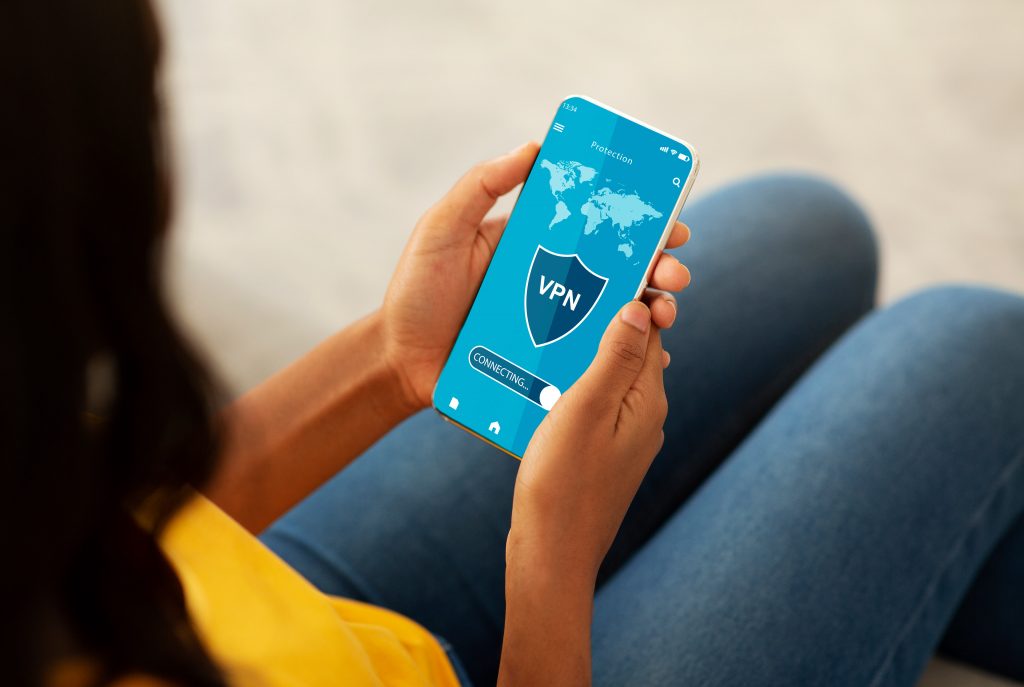
A quality VPN (Virtual Private Network) creates an encrypted tunnel between your device and the internet, helping protect your personal information while also giving you greater control over how and where you browse online.
Essentially, it replaces your IP address with another IP associated with the location of your choosing. This makes it harder to track your activity.
The challenge is, VPN services are far from equal. There are hundreds of VPNs competing for attention, but the list that’s worthy of your consideration is much shorter. Many are simply reselling another company’s infrastructure, while others lack the speed, security features, or long-term reputation needed for dependable everyday use.
We’ve compared the leading providers, and three VPN services consistently stand out. They combine strong privacy protections with excellent performance, easy-to-use software, and proven track records. Whether your priority is streaming, gaming, secure remote work, or protecting your personal data while travelling, these are the providers most people should look at first.
Tips on Choosing the Best VPN for Your Needs
Although the cream rises, there isn’t one service that’s the best across the board. Different VPNs tend to excel in different categories.
Before choosing one, consider what you’ll use it for most often. Finding the best VPN for you is about alignment.
Reputation
The provider’s reputation matters just as much as its technology. Look for companies with independently audited no-logs policies, transparent ownership, and years of reliable service. While technology is always evolving, well-run companies tend to stay that way.
Speed
Encryption always adds some overhead, but the best VPNs minimize the impact. For anything beyond basic browsing, connection speed is important. If you stream 4K video, download large files, or play online games, put speed at the top of your list of priorities.
Streaming Performance
Some VPNs are much better than others at reliably accessing streaming platforms. Providers that continually update their infrastructure are less likely to be blocked. For this category, it’s particularly useful to visit online communities to determine which services have worked reliably for users.
Gaming
Gamers should look for low-latency servers, fast connection speeds, DDoS protection, and stable performance during long gaming sessions. The best VPNs maintain performance so there’s no noticeable change when it’s enabled in-game.
Device Support
A good VPN should support Windows, macOS, Android, iPhone, Linux, smart TVs, browsers, routers, and multiple simultaneous connections. Even if the breadth of compatibility goes far beyond your needs, it’s a signal that they’re committed to making the service as accessible as possible.
Customer Support
Live chat can be invaluable when you’re trying to configure a router or solving a connection issue before an important meeting or gaming session. See if this is a strength early on and you’ll have fewer frustrations later in your journey.
Money-Back Guarantee
Most premium VPNs offer 30-day money-back guarantees. It’s an easily overlooked benefit but worth checking. This allows you to jump on board and test performance on your own devices with little risk.
#1. PureVPN
Overall Rating: ★★★★☆ (4.8/5)
Over the years, PureVPN has evolved into one of the strongest all-around VPNs. You might see other services mentioned more often, but those in the know rate it alongside heavy-hitters like NordVPN. Since being founded in 2007, the company has built a solid track record for continuously expanding its network and improving speeds. Staying independent while many other VPNs were acquired by larger companies also boosted its credibility.
While lesser-known VPN brands have focused on promoting their services, PureVPN has invested in developing a mature platform with apps for virtually every major operating system and device.
We found using the app straightforward, making it suitable for beginners while still offering advanced options for experienced users. The Recommended Server option is a time-saver as it chooses a server based on metrics like speed, latency, and distance.
Users seeking performance often gravitate towards PureVPN as it’s one of its biggest strengths. To give you a rough idea of the speeds you’ll reach, testers got a 90.8 Mbps download speed and 90.5 Mbps upload speed. The service keeps up with bandwidth-demanding tasks such as 4K streaming, large downloads, video conferencing, and everyday browsing without feeling sluggish. Connections establish quickly, and server switching is generally seamless.
Gamers will appreciate the low-latency servers available across numerous regions, helping to keep ping time at 86.1 ms in tests. DDoS protection is included, which is beneficial for competitive online gaming.
PureVPN includes useful features such as split tunneling, dedicated IP options, port forwarding (on supported plans), kill switch protection, and DNS leak protection. These options give users considerably more flexibility than many budget competitors. Thus, this is a service that grows with you as you pick up new insights about privacy.
The company is based in the British Virgin Islands, which is known to be a plus to privacy aficionados. The jurisdiction is known for its strong privacy protections and lack of data-retention laws.
Customer support is available through live chat and an extensive knowledge base, which is pretty standard. The company backs subscriptions with a 31-day money-back guarantee, allowing users plenty of time to determine if the service is a good fit.
Best for:
People looking for an excellent balance of privacy, speed, features, and affordability.
Pros
- Great all-arounder with a strong value proposition
- Fast servers for streaming
- Good gaming performance
- Large device compatibility
- Useful advanced features such as kill switch protection and DNS leak protection
- Responsive live chat support
Cons
- Some advanced features require additional configuration
- Interface has more options than beginners may need
#2. NordVPN
Overall Rating: ★★★★☆ (4.7/5)
NordVPN has solidified its place as one of the most recognizable names in online privacy for good reason. It has built a strong reputation through consistent security improvements, independent audits, and one of the largest and most refined VPN infrastructures.
If you’re a fan of apps that put user experience first, you’re in luck. The service is especially attractive to those who want premium performance with minimal setup. Its applications are polished, intuitive, and the clean user interface is a treat to use. As you’d expect, it’s available across virtually every major platform.
NordVPN separates itself from lower-tier services with its speed. Thanks to its proprietary NordLynx protocol, the service consistently ranks among the fastest VPNs. Independent benchmarks of performance measured an 89.1 Mbps download speed and 90.7 Mbps upload speed. That translates into smoother 4K streaming, quicker downloads, faster cloud backups, and noticeably lower performance loss compared to many competitors.
Streaming is another strength. NordVPN is well known for reliably working with popular streaming platforms such as Netflix and Prime Video while offering a wide selection of global server locations.
Latency is a key metric for games, and NordVPN is near the top with testers reporting a 78.3 ms ping. Low latency, fast server switching, and reliable stability help minimize lag during online play, while encryption helps protect against attacks during competitive gaming.
Additional features include Threat Protection, Meshnet, Double VPN servers, Onion Over VPN, Dark Web Monitoring, and automatic kill switch protection. Many of these are unique offerings aimed at power users, so you won’t find them bundled with just any generic VPN. The Meshnet is a particularly compelling feature as it’s handy for secure file sharing or connecting to your own devices remotely.
Firms such as PWC and Deloitte have confirmed its no-logs policy, which means it doesn’t store records tied to your activity such as browsing/connection logs, IP addresses, timestamps, or DNS queries.
Despite its name, NordVPN is headquartered in Panama, which frees it from data retention laws that are common around the world. It was originally founded in Lithuania in 2012 by a group of childhood friends.
NordVPN offers 24/7 live chat support, a thorough help center, and a 30-day money-back guarantee.
Best for:
Users wanting premium speed, top-tier security, and one of the most polished VPN experiences available.
Pros
- Excellent streaming performance
- Superb gaming performance thanks to its low latency
- Verified no-log policy
- Unique features for power users such as Meshnet and Onion Over VPN
- Established, trustworthy brand
- Polished, easy-to-use apps
- 24/7 customer support
Cons
- Slightly more expensive than some competitors
- Casual users may never touch many of the premium features
#3. Private Internet Access (PIA)
Overall Rating: ★★★★☆ (4.4/5)
Like the other VPNs in this roundup, Private Internet Access has been protecting users for well over a decade. During that time, it’s earned one of the strongest reputations among privacy enthusiasts. While many VPN providers have come and gone, PIA has consistently demonstrated its commitment to user privacy and transparency.
One of PIA’s greatest strengths is flexibility. While the software remains easy enough for beginners, advanced users can customize encryption settings, connection behavior, DNS options, automation rules, and numerous other technical settings that many competing VPNs simply don’t offer. There are sleeker user interfaces out there, but purists appreciate that its client software is 100% open source.
PIA also operates one of the largest server networks. More servers mean plenty of nearby connection options that help maintain strong speeds and reduce congestion.
Speaking of performance, benchmarks revealed 87.5 Mbps download speed and 14.9 Mbps upload speed. Of course, your results will vary as it depends on your location, overall internet connection speed, and the VPN server you choose.
Streaming performance continues to improve, making it a solid choice for watching content while travelling or protecting your privacy at home. While streaming isn’t quite its biggest selling point, performance is generally reliable. Expect to occasionally change servers for the best results.
On popular streaming platforms such as Netflix, the ability to unblock content intended to be viewed in different countries has dropped off according to user reports. It can work, but you’re more likely to have to experiment with other servers than with a service like NordVPN.
Savvy gamers often like PIA because of its stable connections, configurable settings, low-latency server options, and the ability to fine-tune encryption for additional performance. In independent tests, an average ping of 86.7 ms was achieved.
Customer support includes live chat, detailed setup guides, and one of the largest VPN knowledge bases available. Every subscription includes a 30-day money-back guarantee.
Best for:
Privacy-conscious users who want exceptional customization and excellent long-term value.
Pros
- Longstanding reputation as leader in privacy
- Highly configurable software
- One of the larger global server networks
- Excellent value
- Strong gaming performance with a low ping time
- Open-source applications
Cons
- Advanced settings may overwhelm beginners
- Interface emphasizes functionality over sleek design
- Users looking to unblock content based on geographical location may get better results with other top VPNs
PureVPN | NordVPN | Private Internet Access (PIA) | |
| Editor’s Score | 4.8/5 | 4.7/5 | 4.4/5 |
| Company | GZ Systems | Tefincom S.A. | Kape Technologies |
| Headquarters | British Virgin Islands | Panama City, Panama | Denver, Colorado, United States |
| Initial release | 2006 | 2012 | 2010 |
| IP Cloaking | Yes | Yes | Yes |
| Protocols | PPTP, L2TP, SSTP, IKEv2, WireGuard, OpenVPN and IPSec | OpenVPN and IKEv2/IPsec in apps, L2TP and PPTP manually | OpenVPN, IPSec/L2TP, PPTP and SOCKS5 |
| Encryption | 256-bit (AES-256) | 256-bit (Next Generation Encryption with AES-256-GCM, SHA2-384 and Perfect Forward Secrecy, or AES-256-CBC) | Up-to 256-bit |
| Firewall | Port Forwarding | CyberSec (no NAT Firewall built-in so enable it in OS) | Advanced Firewall (Netfilter Project) |
| Network | 6,500+ Servers from 75+ countries | Over 9,530 Remote Servers in 149 Countries | 29,650 Servers in 91 Countries |
| Software/Apps | All major mobile, desktop OS supported, plus routers, DD-WRT, gaming consoles, BoxeeBox, Roku, Apple TV, Android TV, Browsers and 20+ other OS and devices. | Advanced yet easy-to-use software for all major desktop, mobile operating systems, Raspberry Pi, plus platforms such as DD-WRT, OpenWRT, ASUSWRT, D-Link, Synology NAS and many more. | Basic, easy-to-use software for all major desktop and mobile operating systems. |
| Price (two year plan) | From $2.15/month | From $3.79/month | From $2.03/month |
| Sign up now! | Sign up now! | Sign up now! |
What a VPN Does, and Why It’s a Key Privacy Tool
Many assume VPNs are only for tech enthusiasts or people trying to hide their online activity. In reality, a VPN is a foundational tool for improving your online privacy and security. It’s useful for anyone who regularly browses the web, shops online, streams video, works remotely, or uses public Wi-Fi.
The easiest way to think of a VPN is as a privacy-enhancing tunnel between your device and the internet. Instead of internet traffic going directly through your internet service provider (ISP), it passes through an encrypted connection to a secure VPN server.
Without a VPN, your IP address is visible to the websites, apps, and services you use. With it, your IP address is replaced with one associated with the country of your choice. This prevents third parties and companies from easily seeing what you’re doing online and makes it more difficult to build a profile based on your browsing habits.
What are the Main Benefits of Using a VPN?
Protect Your Privacy
Internet providers can see which websites you visit and collect information about your online activity when you don’t use a VPN. Advertisers, websites, and data brokers also work constantly to build profiles based on your browsing habits.
A VPN doesn’t block data collection entirely, but it reduces the amount of information that can be tied directly to your internet connection. Instead of relying on the privacy options online services provide, it puts on at the driver’s seat.
Stay Safe on Public Wi-Fi
Free Wi-Fi at airports, hotels, cafés, and other public places is convenient, but its security is often a weak point. A VPN encrypts your internet traffic, making it much harder for someone on the same network to intercept sensitive information such as passwords and emails.
Browse with Greater Confidence
Whether you’re checking your bank balance, logging into work, or exploring a side of the internet you don’t trust entirely, a VPN adds an extra layer of security. The strong, AES-256 level of encryption used by most VPN providers gives you peace of mind that you’re not an easy target for attackers.
Access to More Streaming Content
Streaming aficionados often use VPNs to gain access to region-specific content while travelling. Due to licensing agreements, the content libraries on platforms such as Netflix and Disney+ can have surprising differences when you’re connected to a VPN server associated with a different country. VPN providers continually update their networks to maintain reliable performance with popular streaming services. Access to multiple content libraries isn’t guaranteed, but through a combination of user testing and network updates by the provider, many users report solid results.
Unlock Your Connection Speed
Ever heard the term throttling? Some internet providers intentionally slow certain types of traffic during busy periods. While a VPN can’t always sidestep this, encrypting your traffic can make it more difficult for your ISP to identify specific activities that have been targeted for throttling.
Protect Multiple Devices
Households have tons of devices these days, and VPNs have met the challenge by offering comprehensive solutions. Most premium VPN services allow several simultaneous connections under one subscription. That means you can protect your desktop computer, laptop, smartphone, tablet, and even your smart TV or router at the same time.
What a VPN Can’t Do
VPNs are powerful privacy tools, but they’re not a complete solution for online security and privacy. Knowing their limitations ensures you build the right habits and take actions that will keep your data safe.
A VPN doesn’t make you anonymous online. Websites can still identify you if you log into your accounts. Companies can still collect information through cookies, browser fingerprinting, and other tracking technologies. In short, VPNs limit the amount of data collected and its accuracy but don’t stop it entirely.
A VPN doesn’t protect you from phishing scams or malware. If you click on a fraudulent email or download malicious software, a VPN can’t stop the attack. Good security habits and reliable antivirus software are needed whether your VPN is enabled or not.
A VPN doesn’t make weak passwords secure. Using unique passwords and enabling multi-factor authentication remain some of the best ways to protect your online accounts.
Finally, a VPN isn’t a license to ignore common sense. Sharing personal information on suspicious websites or falling for online scams still puts your privacy at risk. A VPN gives you peace of mind, but it shouldn’t make you overconfident either.

Is a VPN Worth It?
For many people, a VPN is one of the tools they’d never want to be without.
If you regularly use public Wi-Fi, stream video, work remotely, travel, or play online games, a VPN will bring a lot of value to your digital life. If you like the idea of keeping more of your online activity private, it practically becomes essential. The custom apps service providers give to their customers make VPNs super straightforward to manage. It only takes a few minutes to install and works quietly in the background to give an extra layer of protection.
While no privacy tool grants complete anonymity, a solid VPN is the big first step that puts you on the path to safeguarding your personal information and browsing the internet with greater peace of mind.
The Best VPNs According to Reddit and Social Media
Want to know what people on social media think about the top VPNs covered here? If you fancy the idea of fast-tracking your research, let’s look at the common themes you’ll see on apps such as Reddit:
NordVPN
Frequently praised for:
- Excellent speeds
- Streaming reliability
- Nicely presented, user-friendly apps
- Advanced security features
Commonly noted drawback:
- Priced a bit higher than others
PureVPN
Frequently praised for:
- Competitive pricing and value
- Strong feature set
- Broad device compatibility
Commonly noted drawback:
- Not as widely recognized as services like NordVPN
Private Internet Access (PIA)
Frequently praised for:
- Long privacy track record
- Extensive customization within the software
- Strong value
Commonly noted drawback:
- Interface feels technical compared to competitors’ software with a more user-friendly approach
Summary: The Top 3 VPNs in a Nutshell
If you simply want a fast, polished VPN with outstanding streaming performance, NordVPN is difficult to beat.
If price, features, and overall value are important to you, PureVPN offers an impressive balance without sacrificing performance.
If privacy, transparency, and advanced customization are top priorities, Private Internet Access remains a respected choice for particularly savvy users.
One nice perk with all three services is the money-back guarantees. This allows you to test them on your own internet connection, devices, and favorite streaming platforms before making a long-term commitment.