Tag Archives: Canada

How to Get an IP Address from the US in Canada

Canadians can’t help but feel a bit of envy at the vast array of digital services available to Americans. But beyond that, a US IP address is a superpower for Canadians in quite a few applications.

Whether you want to binge-watch a US-exclusive show on Netflix, test how your website looks to American visitors, or unlock services that are only available south of the border, getting a US IP address while living in Canada is easier than ever.

Think of it like virtually crossing the border without lining up at the bridge or explaining your plans for the day to a customs officer. With the right tools and know-how, you can browse the internet as if you’re sitting in Buffalo instead of Burlington. Essentially, it comes down to adding another layer between your internet connection and what you’re accessing online, so your real IP is hidden.

In this guide, we’ll cover what a US IP address is, why you might want to use one, and the top methods to get one in Canada. You’ve got plenty of options, including VPNs, proxies, Smart DNS, or even a dedicated IP.

What’s a US IP Address?

First off, let’s start with the basics. An IP (Internet Protocol) address is a unique string of numbers assigned to your device when it connects to the internet. It acts like your digital mailing address, and it’s commonly used by companies to identify different users.

A US IP address is simply an IP address assigned to a device located in the United States. Websites use your IP to determine:

  • Your country and sometimes your city
  • Which version of their site to show you, if different versions exist
  • What content is available to you
  • Pricing and ads tailored to your region

So, if you’re based in Vancouver, B.C., your IP will normally be seen as Canadian by the technologies that detect it online. Switch to a US IP, and websites will treat you as if you’re browsing from New York, Chicago, or Los Angeles.

Reasons to Change Your Virtual Location from Canada to the US

Since you came across this article, it’s clear you want a US IP address or are considering it. But let’s explore all the reasons to get one.

1. Access US-Only Streaming Content

Due to copyright factors and the business strategies of studios and streaming apps, content libraries differ by country.

The US versions of platforms often feature larger catalogs of the movies and shows people really want to see. If you’ve ever heard a friend say, “It’s on US Netflix, but not Canadian Netflix,” you know the feeling.

2. Use US-Only Websites or Services

Some American business tools, sports platforms, or software services restrict access to customers who live outside the US.

Canadians are used to waiting and hoping the digital services they’re interested in will become available in their region. At times, it happens, but just as often it never does. One key example is the free version of Google Voice, which US customers have been enjoying since its release in 2009.

3. Compare Prices

Let’s face it. Canadians are used to paying more for many goods and services. And as much as it feels good to buy Canadian, it can make financial sense to do your online shopping on US sites.

Some online retailers show different prices depending on your country. Using a US IP can let you see American pricing.

4. Website & SEO Testing

If you run a blog or website for your small business, testing how your content appears in US search results can give you an advantage.

You also may want to tailor offers to US and Canadian customers. A US IP is an essential tool to confirm that the geo-targeting on your site works correctly.

5. Privacy

In terms of daily browsing, privacy is a top reason to hide your IP from prying eyes and bad actors. It gives you a degree of anonymity by masking your real location.

Using an IP associated with a different country, like the US, is often one step better than simply using a different Canadian IP.

Top Methods to Find Your Current IP Address

Despite its significance, few people know their IP address offhand. Before changing anything, the first step is to make note of your current IP.

Here are a few fast and easy ways:

  • Search “What is my IP” on Google.
  • Visit a website like WhatIsMyIPAddress.com to check your IP.
  • Have a look at your router settings.
  • Use the command line in your operating system (`ipconfig` on Windows, `ifconfig` on macOS).

Doing a quick test with any of the above methods will confirm whether your IP is currently a Canadian one.

Getting a US IP Address with a VPN

The most popular and reliable way to get a US IP address is by using a Virtual Private Network (VPN).

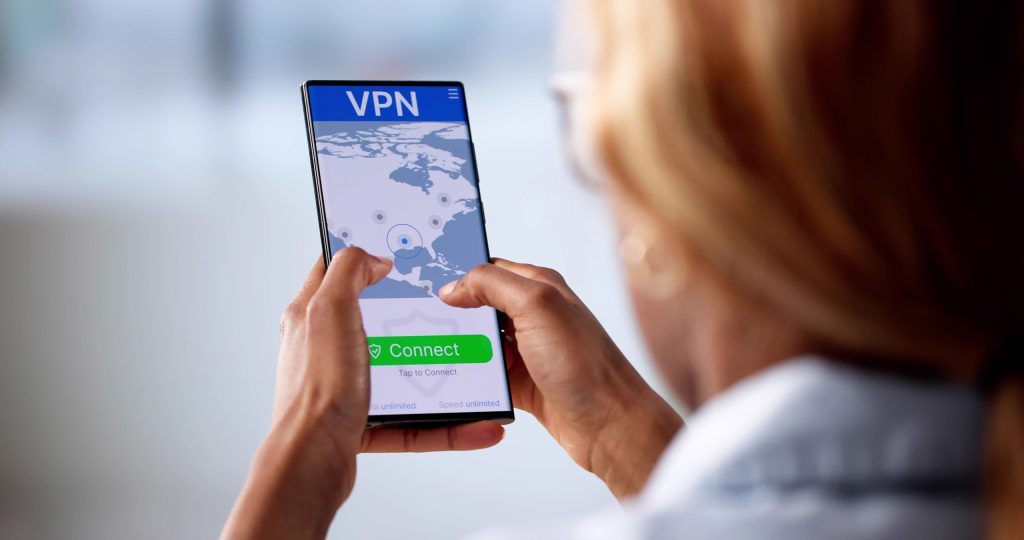
A VPN works by routing your internet traffic through a server in another country using strong encryption. It’s typically enabled with a dedicated app. When you connect to a US server, websites see the VPN server’s American IP instead of your Canadian one.

How It Works:

  1. Find a suitable VPN service and subscribe. Be sure to view the top 3 VPNs recommended by LetMeBy before you do.
  2. Install the VPN app on your device.
  3. Select a server located in the United States.
  4. Connect with the new IP.
  5. Verify your IP has changed.

The specialized apps offered by VPN providers have made it easier than ever. That’s all there is to it. You’re browsing as if you’re in the US.

VPNs encrypt your data as well, which adds privacy and security on public Wi-Fi networks. That’s particularly handy when you’re checking your email from a Tim Hortons instead of your home office, eh.
Why Some VPNs Are Better Than Others for US IP Addresses

Not all VPNs are created equal. It’s no exception when it comes to US servers.

Here’s what separates the best from the rest:

1. Number of US Servers

More servers across multiple US cities (New York, Dallas, Los Angeles, etc.) means:

  • Better speeds
  • Less congestion
  • More flexibility

You might not be able to find out how many US servers a VPN service has before signing up, but they’re usually quite transparent about how many servers they have overall.

2. Streaming Reliability

Some VPN IP addresses are blocked by streaming platforms, or their performance is choppy in this application. High-quality providers refresh and rotate IP addresses regularly so users have a good experience.

3. Speed & Stability

Speed is one of the most important qualities to look for in a VPN. A mediocre VPN will slow down your internet connection, but you won’t notice the difference with a great service.

If you’re streaming in 4K or working with US-based customers, confirm that the VPN you’re interested in is fast.

4. Dedicated IP Options

Some VPNs offer dedicated US IP addresses (more on that later).

5. Reputation & Transparency

Everyone on social media sites like Reddit seems to swear by different VPN services. Regardless, it’s important to do your research and note what past and present customers have to say.

Look for providers with:

  • Clear privacy policies
  • Independent audits
  • Good customer support
  • Plenty of happy customers

Other Ways to Change Your Public IP Address

Looking for alternatives? While VPNs are the most common solution, they’re not the only game in town. Here are other methods to change your Canadian IP address to a US one.

Each approach has trade-offs in terms of privacy, speed, reliability, and cost. Thus, make note of the pros and cons below.

1. Use a Proxy Server

A proxy server routes your traffic through another server, similar to a VPN. However, most standard proxy servers don’t encrypt your data.

Pros:

  • Usually inexpensive or free
  • Simple to use in a browser

Cons:

  • No full-device protection
  • Weaker privacy
  • Many free proxies are slow or unreliable
  • Often seen as outdated tech compared to VPNs

Proxies can be sufficient for basic tasks like viewing a US-only webpage, but they’re not ideal for streaming or secure browsing. As a rule of thumb, if you need to log in with a US IP, look for a more robust solution.

2. Use a Smart DNS Server

Smart DNS services don’t change your IP in the traditional sense. Instead, they reroute specific parts of your traffic to make services think you’re based in the US.

Thus, if you don’t care if your Canadian IP is seen and simply want to access content for people in the US, it can be worth a shot for casual tasks.

Smart DNS is popular among users who primarily want access to US streaming platforms.

Pros:

  • Faster speeds (no encryption overhead)
  • Excellent for streaming

Cons:

  • No privacy protection
  • Doesn’t hide your full IP
  • Only works with supported services

3. Use Tor Browser

The Tor Browser routes your traffic through multiple volunteer-operated servers around the world. They call this the onion router.

Back in the day, you had to download Tor as a standalone app. So, having Tor built into a web browser is a great development.

Pros:

  • Strong anonymity
  • Free

Cons:

  • Very slow
  • You cannot reliably choose a US exit node
  • Many websites block Tor

Tor is more about anonymity than location spoofing. It’s not a dependable way to consistently get a US IP. Thus, it’s been included here for completeness, but you’ll probably want to explore other alternatives first.

4. Remote Desktop into a US-Based Computer

Here’s a solution for those with US connections as well as tech savviness.

If you have access to a computer physically located in the United States (for example, a friend’s system or a US-based cloud server), you can remotely connect to it.

This gives you a genuine US IP because you’re actually browsing from a US machine.

Pros:

  • Legitimate US IP
  • High reliability

Cons:

  • More technical setup
  • Can be costly if using cloud servers

How to Get a Dedicated US IP Address

As the name implies, a dedicated IP address is assigned exclusively to you, rather than shared with hundreds of other users.

Most standard VPN plans use shared IPs. While that’s fine for most people, shared IPs sometimes get flagged or blocked by websites. The reality is, some use VPNs to hide their IP when they’re doing something they shouldn’t, and you can experience the consequences, even if temporary.

Benefits of a Dedicated US IP:

  • Less likely to be blocked on websites
  • Fewer CAPTCHA prompts
  • Better for important tasks that require a login or for business use
  • Ideal for remote access, as you can access secured work servers or smart home devices that use whitelisting without changing IPs
  • More stable access to certain platforms

How to Get a Dedicated US IP Address:

  1. Choose a VPN that offers dedicated IP add-ons.
  2. Purchase a dedicated US IP through your account.
  3. Connect specifically to your assigned IP inside the app.

Dedicated IPs are usually considered a premium feature, so they cost extra. They’re worth it if you regularly need a consistent American IP.
Things to Keep in Mind

Before switching your IP to the US:

  • Check the terms of service of the websites and apps you use.
  • Be aware that some platforms actively block IP masking tools.
  • VPNs aren’t guaranteed to work with all services, such as streaming apps, and outcomes can change over time.
  • For maximum privacy, choose reputable services and avoid sketchy free tools.

Conclusion

Getting a US IP address from Canada is a straightforward process once you understand your options.

The decision is usually simple too. For most people, a VPN is the easiest and most reliable solution. Proxies, Smart DNS services, and remote desktop setups can also get the job done, depending on what you’re doing. If consistent results and fewer interruptions matter, particularly for business or streaming, a dedicated US IP could be worth the upgrade.

Whether you’re trying to access US-only content or simply browse as if you’re hanging out in Manhattan instead of Mississauga, you’ve got options.

No passport is required. All you need is the right digital tool.

Disney+ US vs. Canada: Which Wins on Content?

Anyone who considers Disney+ a “kids-only” streaming service needs to have another look, as it has grown well beyond that. With Marvel, Star Wars, Pixar, National Geographic, and a massive film vault under its belt, it’s a serious contender for adults as well.

But if you’ve ever compared notes with friends across the border, you’ve probably noticed an interesting detail: Disney+ in the United States and Disney+ in Canada don’t quite look the same.

So which version offers the better content library? Let’s break down how Disney+ US and Disney+ Canada stack up against each other.

Comparing the Content Libraries: US vs. Canada

At their core, both Disney+ US and Canada share the same foundation. They both have Disney classics like The Lion King and Aladdin; Pixar favorites such as Toy Story, and Finding Nemo; Marvel heavy-hitters like Avengers: Endgame; and Star Wars staples like The Mandalorian.

The real differences start to appear once you move beyond the core Disney brands. The way each country handles “general entertainment” content is what truly separates the two libraries.

US-Exclusive Strengths

Disney’s business partnerships are different on either side of the border, and that alone really affects the selection of content.

The biggest advantage Disney+ has in the United States is its integration with Hulu. In the US, many subscribers can access Hulu content directly inside the Disney+ app, dramatically expanding the library.

This means US viewers often get access to more adult-oriented and prestige TV content, such as:

  • The Bear – the critically acclaimed kitchen drama that’s become a cultural phenomenon
  • Only Murders in the Building – starring Steve Martin, Martin Short, and Selena Gomez
  • The Handmaid’s Tale – Hulu’s flagship dystopian series
  • Atlanta – Donald Glover’s genre-bending comedy-drama

On the movie side, US users benefit from Hulu’s deeper catalog of non-Disney films, including:

  • Prey (the Predator prequel)
  • No Country for Old Men
  • Parasite
  • A rotating selection of Fox and Searchlight titles

For viewers who want Disney+ to function as a one-stop streaming hub for both family-friendly and content for mom and dad, the US version has a clear edge.

Canada-Exclusive Strengths

Canada doesn’t have Hulu, but instead gets the Star hub built directly into Disney+. While Star overlaps with some Hulu content, it also has its own strengths and a more straightforward setup. No separate service is required.

Canadian subscribers often enjoy strong access to:

  • FX series like The Americans, Sons of Anarchy, and Justified
  • Popular crime and drama shows such as 24, Prison Break, and The Shield
  • Comedy staples like Modern Family and How I Met Your Mother

In terms of movies, Star boosts the Canadian catalog with a wide range of Fox and Touchstone titles, including:

  • Die Hard
  • Speed
  • Gone Girl
  • The Grand Budapest Hotel

One advantage Canadian customers enjoy is simplicity: there’s no bundle so you don’t need to manage Hulu separately. Everything Disney, including Marvel, Star Wars, and shows for the parents, lives under one subscription.

Why Disney+ Differs in the US and Canada

So why did Disney go to all that effort to make Disney+ different in the US and Canada? It mostly comes down to licensing and regional business strategies.

In the US, Disney already owned and operated Hulu long before expanding Disney+ into a broader platform. Rather than folding Hulu completely into Disney+, Disney chose to keep it as a semi-separate brand that integrates with Disney+ for some subscribers.

Internationally, including in Canada, Hulu doesn’t exist. To compete with services like Netflix and Prime Video, Disney created the Star hub to house more mature and licensed content directly inside Disney+.

Which Library Is Better Overall?

Many Canadians can’t help but wonder if the grass is greener for Disney+ customers in the US. Really, there’s no universal winner. It depends on what you like to watch.

  • If you want prestige TV, buzzy originals, and a deep bench of critically acclaimed series, Disney+ US (with Hulu access) usually comes out ahead.
  • If you want an all-in-one service without juggling multiple apps or subscriptions, Disney+ Canada offers a cleaner, more unified experience.

For pure volume and variety, the US library tends to feel larger. For convenience and balance, Canada holds its own surprisingly well.

Who Should Choose US vs. Canada

If given the choice, which version of Disney+ is better for you and your family? Let’s dive into that with a big-picture analysis.

Disney+ US is better suited for:

  • Viewers who love award-winning TV dramas and comedies
  • Households already invested in Hulu content
  • Adults who want Disney+ to replace multiple streaming services

Disney+ Canada is ideal for:

  • Families who want both kid-friendly and adult content in one place
  • Fans of FX, Fox, and Star titles without extra subscriptions
  • Viewers who appreciate simplicity over sheer volume

Unlocking Both Libraries with a VPN

Yes, it’s possible to get both.

Some streaming fans use VPNs to explore different regional Disney+ libraries. A VPN can allow access to content available in another country by routing your connection through that region. Essentially, it protects your online privacy by replacing your IP address with a different IP of your choosing.

If you, like Aerosmith, don’t want to miss a thing, check out LetMeBy’s top VPNs for Disney+ here.

It’s worth noting that the ability to access libraries can change, and it’s worth reviewing Disney+’s terms of service before experimenting with a VPN.

Conclusion

Disney+ US and Canada are built on the same iconic brands, but they cater to slightly different audiences. The US version leans heavily into prestige television and Hulu-powered variety. Canada’s Star-enhanced library offers a more streamlined, all-in-one experience.

The “winner” ultimately depends on which movies and shows you’re into. Whether you’re binge-watching The Bear, feeling nostalgic with Die Hard, or introducing your kids to Star Wars for the first time, Disney+ delivers a lot of magic on either side of the border.

Prime Video US vs. Canada: Which Wins on Content?

Amazon Prime Video has become one of the go-to streaming platforms worldwide, offering blockbuster movies, binge-worthy series, and a growing library of originals.

While access to content produced by and made for Canadians is a nice perk, at the end of the day, Americans and Canadians alike want to watch the movies and shows everyone is talking about. But did you know that Prime Video isn’t the same everywhere? In fact, viewers in the United States and Canada get noticeably different experiences.

If you’re wondering which country has the better Prime Video library, or if it’s worth finding a solution to unlock both, this breakdown will help you decide.

Comparing the Content Libraries: US vs. Canada

While both Prime Video US and Prime Video Canada share many titles, the US library is larger. Researchers at Comparitech found that the US library has around 12,150 titles, while Canada has close to 9,900 titles.

This isn’t unusual—streaming rights are often negotiated country by country, and the US tends to secure the broadest access. Canadian subscribers still enjoy plenty of top-tier movies, shows, and Amazon Originals, but the sheer volume of options is more limited compared to the US.

Beyond the numbers, the Canadian and US versions of Prime Video differ in the categories that they excel at. Let’s look at that next.

US-Exclusive Strengths

Although licensing changes over time, users have reported that TV shows such as The Americans, Archer, and earlier seasons of Survivor are available in the US but not in Canada.

Prime Video US tends to dominate when it comes to:

  • Exclusive blockbuster films: Popular Hollywood titles often land on the US platform first, especially newer releases.
  • Older TV series: American classics and long-running sitcoms are more widely available.
  • Niche categories: Genres like documentaries, indie films, and cult favorites go deeper and are better curated in the US library.
  • Sports add-ons: The US market offers additional channels like NFL Thursday Night Football, which are absent in Canada.

Canada-Exclusive Strengths

Some content is not only produced in Canada but is also uniquely Canadian. Titles that are available exclusively to audiences in the true north include Mr. Dressup: The Magic of Make-Believe, LOL: Last One Laughing Canada, and The Tragically Hip: No Dress Rehearsal.

Prime Video Canada, while smaller in scale, has its own unique strengths:

  • Canadian film and TV content: More locally produced shows and movies are accessible thanks to regional licensing.
  • Partnerships with local broadcasters: Some Canadian-only agreements bring in titles that aren’t in the US, including certain BBC series and international films.
  • Stronger kids’ content selection: Families in Canada may find more variety in children’s programming compared to the US library.

Why Prime Video Differs in the US and Canada

So, why does Prime Video modify its libraries to suit each country?

The differences come down to licensing and regional demand. Studios sell streaming rights by territory, which means what’s available in one country may be missing in another.

Amazon also tailors its offerings to local tastes and regulations. For example, Canada requires a certain level of domestic content, which is why Canadian subscribers see more homegrown programming. People who grew up with shows like the Polka Dot Door and Mr. Dressup have a special place in their hearts for Canadian content.

Which Library Is Better Overall?

Many times, Canadians can’t help but wonder if the grass is greener for Americans.

For most viewers, Prime Video US is the stronger option simply because of its size and variety. If you want maximum choice, it’s tough to beat the US library. That said, Canadian Prime Video isn’t lacking—especially if you enjoy Canadian films, family programming, and certain international partnerships not found stateside.

Who Should Choose US vs. Canada

So, if you had to choose, which version would be best suited to your viewing preferences? Let’s get to the heart of what makes each one great.

Prime Video US is best for: Viewers who want the largest possible catalog, fans of blockbuster releases, sports lovers, and anyone who enjoys niche genres.

Prime Video Canada is best for: Families seeking strong kids’ content, fans of Canadian cinema and TV, and those who want access to a handful of exclusives not found in the US.

Unlocking Both Libraries with a VPN

The good news? You don’t actually have to choose. With a VPN, you can switch your virtual location and access both the US and Canadian Prime Video libraries from one subscription. While this may require some extra setup, it gives you the best of both worlds.

Think of a VPN as an intermediate layer between your device and the internet. It works by hiding your true IP address and replacing it with an IP associated with a different location. This gives you a greater level of anonymity, security, as well as the flexibility to view the content you want to see most.

To learn about the top 3 VPN services recommended by LetMeBy, visit this page.

Conclusion

Amazon Prime Video offers terrific content in both the US and Canada, but the experience isn’t identical. The US library is larger and better suited for viewers who crave variety, while the Canadian version has its own hidden gems and exclusive partnerships.

If you’re a casual watcher, either country’s version will serve you well. You might never notice titles that are missing from the Canadian library that are available in the US. For the ultimate streaming experience, combining both with a VPN ensures you won’t miss a thing.

Netflix US vs. Canada: Which Wins on Content?

Does this story sound familiar? A Canadian Netflix subscriber hears about a hot new show on social media. The show is supposedly on Netflix, but it’s nowhere to be found.

Netflix is a global entertainment giant, but its content library varies significantly from country to country. In particular, Netflix US and Netflix Canada offer distinct collections of movies and TV shows, each with its strengths and weaknesses. While both regions share a vast number of popular titles, there are key differences that can make one library more appealing than the other.

Comparing Content Libraries

Netflix US once boasted a larger overall library compared to Netflix Canada. However, now Canada is on top.

According to recent data, Netflix US offers 6,389 titles in total, including about 2,438 TV shows and 3,951 movies. Meanwhile, Netflix Canada has approximately 6,734 titles, with about 2,376 TV shows and 4,358 movies.

This disparity in content is primarily due to regional licensing agreements and content acquisition strategies. It’s important to note that exclusives in the US and Canada change over time as Netflix’s libraries are constantly evolving.

US-Exclusive Titles

The main reason people want to use Netflix US outside of the US is to gain access to exclusives. Some movies and TV shows are only available to US subscribers.

Notable examples of these shows include Grey’s Anatomy and NCIS. Also, movies like Spider-Man: Across the Spider-Verse, Joker, and May December are US exclusives.

US exclusives often include critically acclaimed series, blockbuster films, and niche genres that may not be accessible in other regions.

Canada-Exclusive Titles

Despite having a smaller library of TV shows, Netflix Canada offers unique content that can’t be found in the US. Additionally, Netflix Canada has more movies than Netflix US.

Movies like The Untouchables, The Hunt, and Blue Valentine are on Netflix Canada, but they currently can’t be streamed in the US. Some acclaimed movies like The Devil Wears Prada and The Shawshank Redemption aren’t on Netflix US either.

The exclusives on Netflix Canada often include Canadian-produced series, international films, and critically acclaimed indie content.

Why the Differences?

US and Canadian audiences enjoy much of the same content, so why does Netflix have different libraries for each country?

The differences in content libraries between Netflix US and Netflix Canada come down to licensing agreements. Netflix negotiates distribution rights with content creators and studios, and these agreements are often limited by country or region. As a result, Netflix may have the rights to stream a specific title in one country but not another.

Which Library Is Better?

Many Canadians wonder if the grass is greener in the US in terms of streaming content.

For most viewers, Netflix US is generally considered the superior library due to its larger selection of mainstream films and popular TV series. However, Netflix Canada is an attractive option for those seeking a blend of mainstream and international content, along with a curated selection of Canadian productions.

Netflix Canada’s library has been making big gains and it’s now larger than Netflix US. For sheer variety and quantity of movies, Canada has an edge.

Who Should Choose Netflix US?

  • Viewers looking for the latest blockbuster movies and trending TV shows
  • Fans of US-exclusive content, including classic shows like The Office (US), Charmed, and The Wonder Years
  • Those seeking the biggest movies and shows everyone is talking about

Who Should Choose Netflix Canada?

  • Fans of Canadian films and TV shows
  • Viewers interested in international and indie content
  • Those seeking a slightly more curated selection of titles

Using a VPN to Access Both Libraries

These days, the Netflix library you’re shown in your country is just the starting point.

For viewers who want the best of both worlds, using a Virtual Private Network (VPN) can provide access to both Netflix US and Netflix Canada libraries from anywhere in the world. However, Netflix actively works to detect and block VPN usage, so results may vary depending on the VPN provider.

Check out LetMeBy’s list of the top VPNs here.

Conclusion

So, which library is better? There’s no clear winner here. There are far more similarities than differences, but the differences stand out when you’re looking for a specific movie or show.

While Netflix US offers a broader selection of mainstream content, Netflix Canada stands out with its curated selection of Canadian and international titles. Ultimately, the better choice depends on individual viewing preferences. Though with a VPN, viewers can experience both libraries and enjoy all the content Netflix offers worldwide.

VPNs Have Exploded in Popularity in Canada, Here’s Why

A recent VPN usage survey commissioned by NordVPN found that over one-quarter of Canadians use VPNs.

As a country, Canada landed in the top five in terms of VPN awareness too. Nearly seven Canadians in ten have heard of VPNs. Other countries with above-average awareness include the U.S., United Kingdom, Hong Kong, Poland, Singapore, Taiwan, Spain, and Brazil.

Demographics of VPN Users

If you’re wondering what the typical VPN user looks like, I’ve got you covered. They’re more likely to be male and the largest age group is between 25 and 44 years old. This group leads the way in most other countries as well.

There are two big factors intersecting here: being old enough to have a budget for the extras in life and young enough to recognize the need for better online privacy. Millennials, Gen Xers, and Xennials are right in the sweet spot.

So, getting to the main topic, why are Canadians adopting VPNs faster than countries such as France, Italy, Japan, and South Korea?

What Canadians Say About Their VPN Usage

HelloSafe surveyed Canadians across the country about their VPN usage and there are some notable differences in their results compared to NordVPN’s findings.

First things first, here are the reasons Canadians said they use a VPN:

  • To secure a Wi-Fi connection – 68%
  • To enjoy content from other countries – 36.8%
  • To hide an IP address – 31.5%
  • To avoid censorship – 26.3%

Interestingly, they found that only one in ten Canadians use a VPN at least once a week. That’s a big difference from what the study for NordVPN found. However, how HelloSafe phrased the question pushed the figure down. How many people are aware enough of their VPN usage to give an accurate response?

Although general adoption is undoubtedly higher, HelloSafe’s study could indicate that Canadians are using VPNs with a purpose in mind. While there are plenty of reasons to have your VPN enabled all the time, it’s common for people to use their VPN only when they want to achieve a specific outcome.

Reasons Canadians Should Use a VPN

Now that we’ve looked at the responses Canadians gave about their VPN usage, let’s look at the benefits in detail.

1. Safeguard Your Data

Companies and Institutions want your data to make informed decisions. Data about customers and potential customers is a valuable resource to them.

When you use online services, data about your usage and behaviours become part of a massive data set. It often happens without the user’s knowledge and their ongoing consent. Rather, the details about data collection are buried somewhere in the companies’ terms of service or privacy policy.

Additionally, malicious users and cybercriminals are always looking for ways to gain personal information to aid in their agenda.

VPNs give you a powerful way to opt out of excessive data collection which is now the norm. It protects your identity online by hiding your IP address. This makes it difficult or impossible for others to pinpoint your device and your location.

2. Get Access to Geo-Restricted Content

It’s normal for Canadians to feel left out when their favourite TV shows and movies aren’t available on streaming apps. Harry Potter, Good Fellas, and Seven are just a few examples of classic movies that aren’t available on Netflix Canada.

Canadian subscribers typically get access to less content overall than Americans on streaming sites such as Netflix, Hulu, and Amazon Prime Video. It works the opposite way too as shows like The Office and Fargo are available for streaming in Canada but not in the U.S.

Websites and apps sometimes use geo-targeting to determine which content or content libraries to display to the user. It’s annoying when music in social media posts, videos on websites, news, etc. are blocked in specific countries.

VPNs replace your IP address with a different IP located in the country of your choice. This allows you to view content intended for people in any country in the world.

3. Make Public Wi-Fi Safe

Public Wi-Fi is notorious for its slow speeds and spotty stability, but it’s security that people should be most concerned about. A survey by All About Cookies found that one in four experienced a security issue from accessing the internet through unsecured networks.

It’s best to assume the Wi-Fi you use in restaurants, hotels, or at the airport isn’t secure. That means your private data, including login credentials associated with sites you visit, is being transmitted with no encryption and could be intercepted.

Any time you use a VPN, the data being transferred from the network to your device and back is protected with the highest level of encryption.

4. Protect Your Identity When Playing Online Games

Online gaming is huge, and while it’s incredibly fun to explore digital worlds, being connected with so many other players has its risks.

Gamers have to watch out for malware, account takeover, phishing attacks through messaging, data breaches, and many other threats.

Gaming platforms like Steam and PSN collect plenty of data about their customers. While you can drill down into the privacy settings and make changes, there are certain types of data collection you might not be able to opt out of.

VPNs make it impractical or impossible for malicious gamers, gaming platforms, and third parties to see the IP address of your PC or pinpoint your location.

Looking for the Best VPNs?

It’s getting more common to see VPNs packaged with other software and services such as comprehensive online security suites. However, there’s power in choosing the best VPN for you rather than settling for solutions that try to do everything.

If you’ve never used a VPN before or are looking for a new one, have a look at LetMeBy’s top 3 VPNs.

Conclusion

There’s been a big boost in awareness and usage of VPNs. At this point, most people have heard of VPNs and they have a rough idea of what they do. Canadians are pushing forward and taking control of their destiny online.

Still, we’re in the early days in terms of leveraging privacy enhancement tools like VPNs. Canadians are using VPNs to achieve their goals but if the data from HelloSafe is accurate, most haven’t jumped in with both feet yet.