Category Archives: Privacy

How to Get an IP Address from the US in Canada

Canadians can’t help but feel a bit of envy at the vast array of digital services available to Americans. But beyond that, a US IP address is a superpower for Canadians in quite a few applications.

Whether you want to binge-watch a US-exclusive show on Netflix, test how your website looks to American visitors, or unlock services that are only available south of the border, getting a US IP address while living in Canada is easier than ever.

Think of it like virtually crossing the border without lining up at the bridge or explaining your plans for the day to a customs officer. With the right tools and know-how, you can browse the internet as if you’re sitting in Buffalo instead of Burlington. Essentially, it comes down to adding another layer between your internet connection and what you’re accessing online, so your real IP is hidden.

In this guide, we’ll cover what a US IP address is, why you might want to use one, and the top methods to get one in Canada. You’ve got plenty of options, including VPNs, proxies, Smart DNS, or even a dedicated IP.

What’s a US IP Address?

First off, let’s start with the basics. An IP (Internet Protocol) address is a unique string of numbers assigned to your device when it connects to the internet. It acts like your digital mailing address, and it’s commonly used by companies to identify different users.

A US IP address is simply an IP address assigned to a device located in the United States. Websites use your IP to determine:

  • Your country and sometimes your city
  • Which version of their site to show you, if different versions exist
  • What content is available to you
  • Pricing and ads tailored to your region

So, if you’re based in Vancouver, B.C., your IP will normally be seen as Canadian by the technologies that detect it online. Switch to a US IP, and websites will treat you as if you’re browsing from New York, Chicago, or Los Angeles.

Reasons to Change Your Virtual Location from Canada to the US

Since you came across this article, it’s clear you want a US IP address or are considering it. But let’s explore all the reasons to get one.

1. Access US-Only Streaming Content

Due to copyright factors and the business strategies of studios and streaming apps, content libraries differ by country.

The US versions of platforms often feature larger catalogs of the movies and shows people really want to see. If you’ve ever heard a friend say, “It’s on US Netflix, but not Canadian Netflix,” you know the feeling.

2. Use US-Only Websites or Services

Some American business tools, sports platforms, or software services restrict access to customers who live outside the US.

Canadians are used to waiting and hoping the digital services they’re interested in will become available in their region. At times, it happens, but just as often it never does. One key example is the free version of Google Voice, which US customers have been enjoying since its release in 2009.

3. Compare Prices

Let’s face it. Canadians are used to paying more for many goods and services. And as much as it feels good to buy Canadian, it can make financial sense to do your online shopping on US sites.

Some online retailers show different prices depending on your country. Using a US IP can let you see American pricing.

4. Website & SEO Testing

If you run a blog or website for your small business, testing how your content appears in US search results can give you an advantage.

You also may want to tailor offers to US and Canadian customers. A US IP is an essential tool to confirm that the geo-targeting on your site works correctly.

5. Privacy

In terms of daily browsing, privacy is a top reason to hide your IP from prying eyes and bad actors. It gives you a degree of anonymity by masking your real location.

Using an IP associated with a different country, like the US, is often one step better than simply using a different Canadian IP.

Top Methods to Find Your Current IP Address

Despite its significance, few people know their IP address offhand. Before changing anything, the first step is to make note of your current IP.

Here are a few fast and easy ways:

  • Search “What is my IP” on Google.
  • Visit a website like WhatIsMyIPAddress.com to check your IP.
  • Have a look at your router settings.
  • Use the command line in your operating system (`ipconfig` on Windows, `ifconfig` on macOS).

Doing a quick test with any of the above methods will confirm whether your IP is currently a Canadian one.

Getting a US IP Address with a VPN

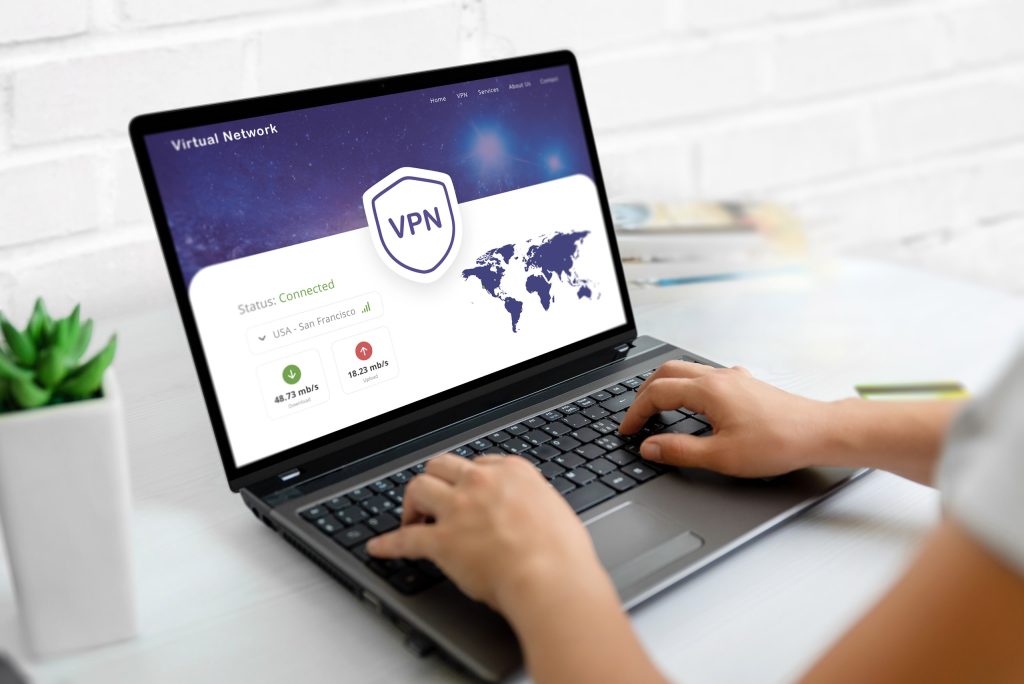
The most popular and reliable way to get a US IP address is by using a Virtual Private Network (VPN).

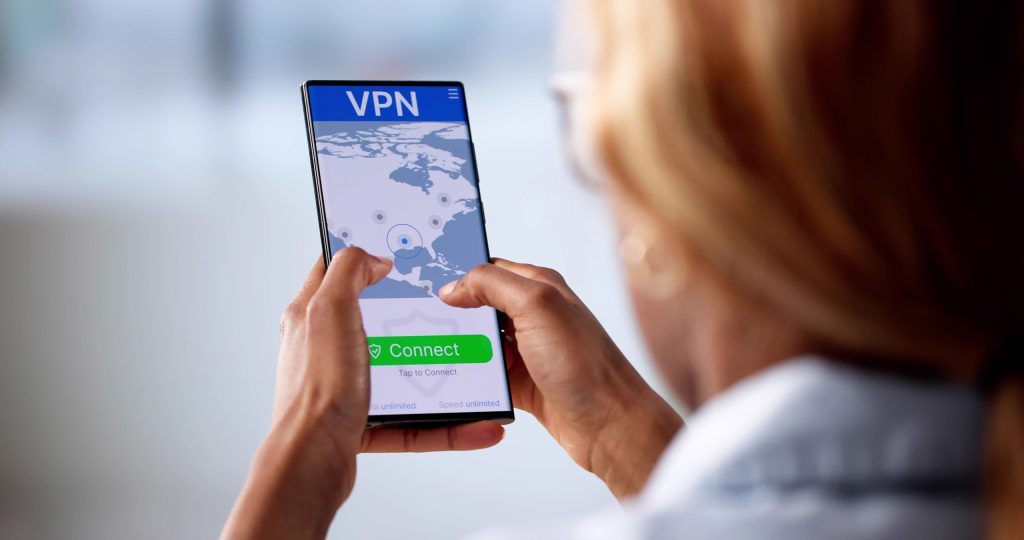
A VPN works by routing your internet traffic through a server in another country using strong encryption. It’s typically enabled with a dedicated app. When you connect to a US server, websites see the VPN server’s American IP instead of your Canadian one.

How It Works:

  1. Find a suitable VPN service and subscribe. Be sure to view the top 3 VPNs recommended by LetMeBy before you do.
  2. Install the VPN app on your device.
  3. Select a server located in the United States.
  4. Connect with the new IP.
  5. Verify your IP has changed.

The specialized apps offered by VPN providers have made it easier than ever. That’s all there is to it. You’re browsing as if you’re in the US.

VPNs encrypt your data as well, which adds privacy and security on public Wi-Fi networks. That’s particularly handy when you’re checking your email from a Tim Hortons instead of your home office, eh.
Why Some VPNs Are Better Than Others for US IP Addresses

Not all VPNs are created equal. It’s no exception when it comes to US servers.

Here’s what separates the best from the rest:

1. Number of US Servers

More servers across multiple US cities (New York, Dallas, Los Angeles, etc.) means:

  • Better speeds
  • Less congestion
  • More flexibility

You might not be able to find out how many US servers a VPN service has before signing up, but they’re usually quite transparent about how many servers they have overall.

2. Streaming Reliability

Some VPN IP addresses are blocked by streaming platforms, or their performance is choppy in this application. High-quality providers refresh and rotate IP addresses regularly so users have a good experience.

3. Speed & Stability

Speed is one of the most important qualities to look for in a VPN. A mediocre VPN will slow down your internet connection, but you won’t notice the difference with a great service.

If you’re streaming in 4K or working with US-based customers, confirm that the VPN you’re interested in is fast.

4. Dedicated IP Options

Some VPNs offer dedicated US IP addresses (more on that later).

5. Reputation & Transparency

Everyone on social media sites like Reddit seems to swear by different VPN services. Regardless, it’s important to do your research and note what past and present customers have to say.

Look for providers with:

  • Clear privacy policies
  • Independent audits
  • Good customer support
  • Plenty of happy customers

Other Ways to Change Your Public IP Address

Looking for alternatives? While VPNs are the most common solution, they’re not the only game in town. Here are other methods to change your Canadian IP address to a US one.

Each approach has trade-offs in terms of privacy, speed, reliability, and cost. Thus, make note of the pros and cons below.

1. Use a Proxy Server

A proxy server routes your traffic through another server, similar to a VPN. However, most standard proxy servers don’t encrypt your data.

Pros:

  • Usually inexpensive or free
  • Simple to use in a browser

Cons:

  • No full-device protection
  • Weaker privacy
  • Many free proxies are slow or unreliable
  • Often seen as outdated tech compared to VPNs

Proxies can be sufficient for basic tasks like viewing a US-only webpage, but they’re not ideal for streaming or secure browsing. As a rule of thumb, if you need to log in with a US IP, look for a more robust solution.

2. Use a Smart DNS Server

Smart DNS services don’t change your IP in the traditional sense. Instead, they reroute specific parts of your traffic to make services think you’re based in the US.

Thus, if you don’t care if your Canadian IP is seen and simply want to access content for people in the US, it can be worth a shot for casual tasks.

Smart DNS is popular among users who primarily want access to US streaming platforms.

Pros:

  • Faster speeds (no encryption overhead)
  • Excellent for streaming

Cons:

  • No privacy protection
  • Doesn’t hide your full IP
  • Only works with supported services

3. Use Tor Browser

The Tor Browser routes your traffic through multiple volunteer-operated servers around the world. They call this the onion router.

Back in the day, you had to download Tor as a standalone app. So, having Tor built into a web browser is a great development.

Pros:

  • Strong anonymity
  • Free

Cons:

  • Very slow
  • You cannot reliably choose a US exit node
  • Many websites block Tor

Tor is more about anonymity than location spoofing. It’s not a dependable way to consistently get a US IP. Thus, it’s been included here for completeness, but you’ll probably want to explore other alternatives first.

4. Remote Desktop into a US-Based Computer

Here’s a solution for those with US connections as well as tech savviness.

If you have access to a computer physically located in the United States (for example, a friend’s system or a US-based cloud server), you can remotely connect to it.

This gives you a genuine US IP because you’re actually browsing from a US machine.

Pros:

  • Legitimate US IP
  • High reliability

Cons:

  • More technical setup
  • Can be costly if using cloud servers

How to Get a Dedicated US IP Address

As the name implies, a dedicated IP address is assigned exclusively to you, rather than shared with hundreds of other users.

Most standard VPN plans use shared IPs. While that’s fine for most people, shared IPs sometimes get flagged or blocked by websites. The reality is, some use VPNs to hide their IP when they’re doing something they shouldn’t, and you can experience the consequences, even if temporary.

Benefits of a Dedicated US IP:

  • Less likely to be blocked on websites
  • Fewer CAPTCHA prompts
  • Better for important tasks that require a login or for business use
  • Ideal for remote access, as you can access secured work servers or smart home devices that use whitelisting without changing IPs
  • More stable access to certain platforms

How to Get a Dedicated US IP Address:

  1. Choose a VPN that offers dedicated IP add-ons.
  2. Purchase a dedicated US IP through your account.
  3. Connect specifically to your assigned IP inside the app.

Dedicated IPs are usually considered a premium feature, so they cost extra. They’re worth it if you regularly need a consistent American IP.
Things to Keep in Mind

Before switching your IP to the US:

  • Check the terms of service of the websites and apps you use.
  • Be aware that some platforms actively block IP masking tools.
  • VPNs aren’t guaranteed to work with all services, such as streaming apps, and outcomes can change over time.
  • For maximum privacy, choose reputable services and avoid sketchy free tools.

Conclusion

Getting a US IP address from Canada is a straightforward process once you understand your options.

The decision is usually simple too. For most people, a VPN is the easiest and most reliable solution. Proxies, Smart DNS services, and remote desktop setups can also get the job done, depending on what you’re doing. If consistent results and fewer interruptions matter, particularly for business or streaming, a dedicated US IP could be worth the upgrade.

Whether you’re trying to access US-only content or simply browse as if you’re hanging out in Manhattan instead of Mississauga, you’ve got options.

No passport is required. All you need is the right digital tool.

A Beginner’s Guide to Using a VPN

If you spend any time watching tech YouTubers or hanging out on online communities, you’ve probably heard VPNs mentioned. They’re often recommended in video descriptions, podcasts, or Reddit threads. It’s easy to ignore at first, but after a while, it makes you wonder if you’re missing out on something that could be an internal part of your digital lifestyle.

For newcomers, it’s not always clear what a VPN actually does, whether it’s necessary, or if it truly protects your privacy.

Some people see VPNs as essential digital armor. Others assume they’re only for people trying to sidestep bans, torrenting, or travelers watching foreign Netflix libraries. The truth sits somewhere in the middle.

This guide breaks down what a VPN is, what it can (and can’t) do, and how to decide if using one makes sense for you.

What You Can Do With a VPN

Let’s start with a simple definition. A VPN (Virtual Private Network) creates an encrypted tunnel between your device and the internet. Instead of websites seeing your real IP address and location, they see the IP address of the VPN server you’re connected to.

As you may know, your IP address is a main point of data that allows websites and online services to determine your location and to build information about your account activity. Thus, hiding your true IP gives your online privacy a big boost right out of the gate.

With a VPN, you can do quite a bit more than simply conceal your location. By routing your connection through a secure server, a VPN changes how your data moves across the internet and how websites see your device. In practical terms, this opens up several everyday benefits:

  • Add a layer of privacy when browsing the web
  • Protect your data on public Wi‑Fi networks
  • Access region‑locked websites and content
  • Reduce tracking by advertisers and ISPs
  • Mask your real location and IP address

To be clear, a VPN doesn’t give you complete anonymity. It’s more about gaining control over how your data travels.

Does Your Average Internet User Need a VPN?

Not everyone needs a VPN, but many could benefit from one without realizing it. If you’re not online much, browse trusted sites at home, and never use public Wi‑Fi, your risk exposure is relatively low.

However, a VPN becomes an essential tool if you:

  • Use public Wi‑Fi in cafés, airports, or hotels
  • Travel frequently
  • Value online privacy and have concerns about data collection
  • Stream content from multiple regions
  • Work remotely or access sensitive accounts

Think of a VPN like insurance. You might not rely on it every time you access the internet, but when you need it, you’re glad it’s there. It gives informed, tech-savvy people peace of mind.

What Are the Pros and Cons of Using a VPN?

Not only does looking at the pluses and minuses help you decide if you need a VPN, but it also clarifies when you should use one and when you should disable it.

Pros

Let’s have another quick look at why a VPN can be a game-changer. Using one comes with several clear advantages, particularly for users who value privacy, security, or flexibility in how they access the internet:

  • Encrypts your internet traffic
  • Hides your IP address from websites and ISPs
  • Improves security on unsecured networks
  • Enables access to geo‑restricted content

Cons

That said, VPNs are not without trade-offs. Understanding the downsides keeps your expectations realistic:

  • Typically, has slightly slower internet speeds (depending on the server)
  • Subscription costs for reputable services
  • Your VPN isn’t guaranteed to work for some applications, such as unlocking geo‑restricted content
  • Doesn’t make you fully anonymous

To sum it up, a VPN is a powerful tool, but it’s not a magic privacy switch.

Are VPN Services Worth It?

For most, paid VPN services are justifiable.

Anyone who compares a free VPN with a paid one immediately sees why. Free options often come with limits, ads, weaker encryption, or questionable data practices. A free service might get you by if you use it for the occasional inconsequential task, but for anything beyond that, you want a real VPN.

If you value privacy, convenience, and consistent performance, look at getting a VPN subscription as a long‑term investment.

How to Choose a VPN

Selecting a VPN can feel overwhelming at first. There’s no shortage of choices, and if you ask for recommendations online, it seems like everyone swears by a different service.

Instead of focusing on opinions or experience you see on apps such as Reddit, it’s best to evaluate providers based on fundamentals that directly impact privacy, performance, and reliability. Key factors to look for include:

  • A clear no‑logs policy
  • Strong encryption standards
  • A large server network across multiple countries
  • Good performance and reliability
  • Apps for your preferred devices

Independent audits, long‑standing reputations, and clear privacy policies matter more than bold claims. If you take the time to learn about the technologies under the hood, you’ll be rewarded when you make an informed decision.

Check out the top 3 VPNs recommended by LetMeBy here.

Using a VPN on Different Devices

VPNs have come a long way over the years. Since using multiple devices became a part of most people’s daily routine, they’ve leveled up on flexibility. Most providers offer dedicated apps and setup guides that make it easy to protect multiple devices without advanced technical knowledge. Modern VPNs support platforms such as:

  • Windows and macOS computers
  • iOS and Android smartphones
  • Tablets and Chromebooks
  • Routers, smart TVs, and streaming devices

Many subscriptions allow several devices at once, making it easy to protect your phone, laptop, and home network under one account.

Unlock Geo‑Restricted Streaming

For many, especially those who live outside the US, it’s natural to want to explore if the grass is greener on the other side when it comes to access to TV shows and movies. Thus, one of the most popular and widely discussed uses for VPNs is streaming.

Because streaming platforms license content by region, what you can watch can depend on where you’re located. To bypass this limitation, a VPN makes it appear as though you’re browsing from another country.

While results vary by service and platform, this feature is especially appealing to frequent travelers or expats who want to regain access to some of their favorite content.

Stop Bandwidth Throttling

Bandwidth throttling is a lesser-known but frustrating issue. Some internet service providers intentionally slow down certain types of traffic, such as streaming video or large downloads, especially during peak hours. Since a VPN encrypts your traffic, your ISP can’t easily detect your activity, which may help reduce throttling in some cases.

This isn’t a sure thing, but many users notice more consistent speeds when using a VPN.

Advanced VPN Features You Should Know About

Since you’ve made it this far, let’s go beyond the basics.

Outside of basic encryption and IP masking, many modern VPN services include additional tools designed to improve security, usability, and give you peace of mind. These features usually aren’t highlighted when you’re researching VPNs, but they add meaningful value over time:

  • Kill switches that cut internet access if the VPN drops
  • Split tunneling to choose which apps use the VPN
  • Multi‑hop connections for added privacy
  • Built‑in ad, tracker, or malware blocking

These features aren’t essential for beginners, but they’re worth exploring as you get more accustomed to using your VPN.

Conclusion

It’s always important to clearly divide a need and a want. You took that step by doing your research about VPNs and making it to the end of this article.

A VPN isn’t mandatory, but it’s increasingly relevant in a world where data collection, tracking, and online restrictions are the norm. Whether you’re protecting yourself on public Wi‑Fi, streaming content abroad, or simply wanting more control over your online footprint, a VPN is a practical tool.

The key is understanding what a VPN does and what it doesn’t. Used wisely, it enhances your digital life rather than overcomplicating it.

Can You Use a VPN on Fortnite and Should You?

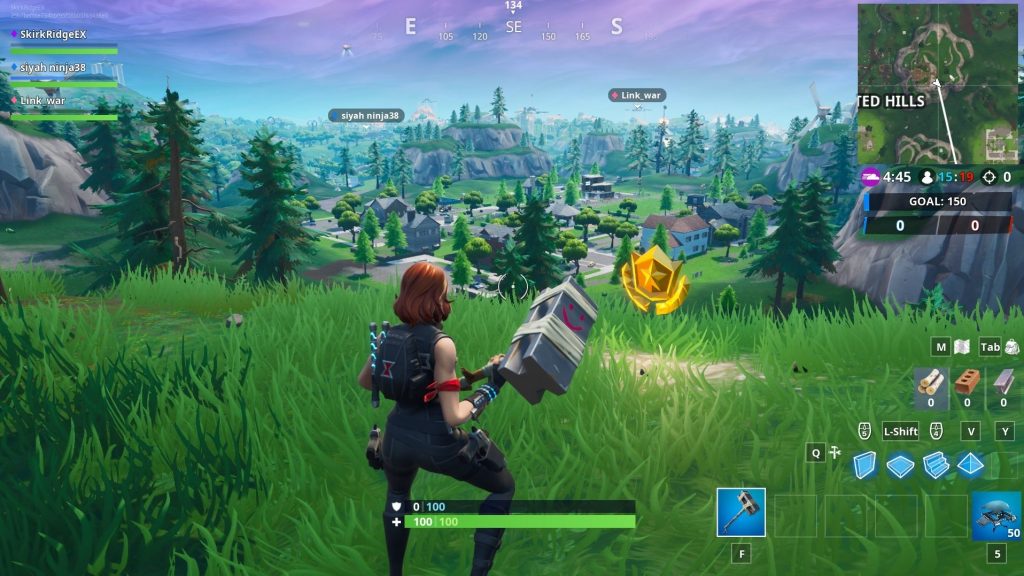
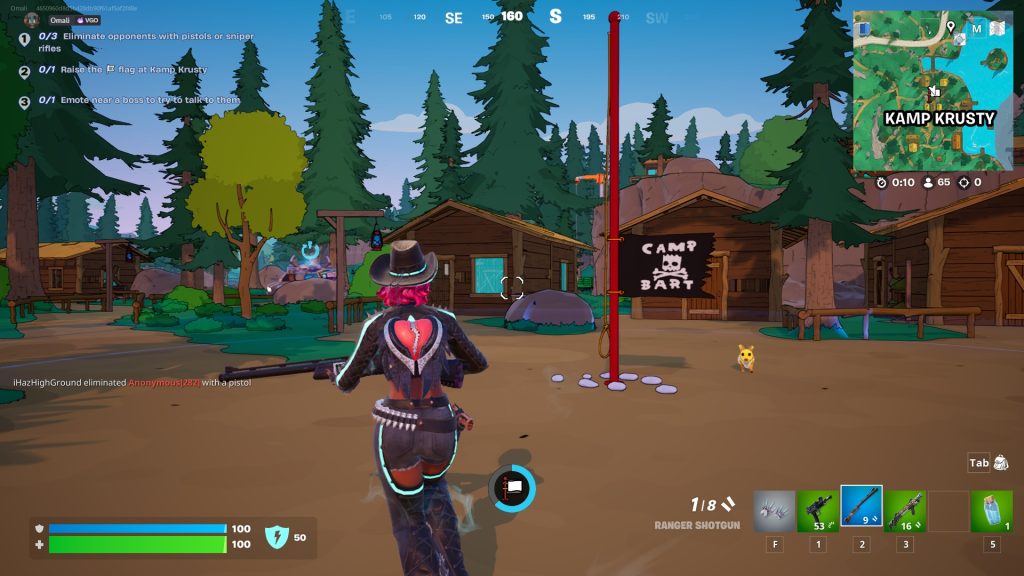
You drop into the Battle Bus, the island stretches out below, and your squad is already arguing about where to land. Maybe you’re chasing that first Victory Royale of the night, grinding quests after work, or jumping in because Fortnite is the one game everyone seems to come back to.

But sometimes the experience isn’t so smooth. Lag spikes ruin firefights. Matchmaking feels sweatier than usual. You can’t connect at school, work, or on a restricted network. Or maybe you’ve heard rumors online: “Use a VPN to get easier lobbies” or “A VPN can lower your ping.”

Gamers can’t help but look for that magic bullet that will give them an edge.

That’s where the question starts popping up: Can you use a VPN on Fortnite? And more importantly, should you?

Let’s break it down and look at the facts.

Can You Use a VPN on Fortnite?

Yes, you can use a VPN while playing Fortnite, and many players do, often without issues.

Fortnite itself doesn’t block VPN usage outright or discourage it entirely. However, Epic Games does care about how and why you’re using one. The distinction matters.

Traditionally, VPNs are used to improve online privacy, secure your connection on public Wi-Fi, or gain access to games and apps that are restricted on local networks.

That type of usage is accepted. However, using a VPN to try to game the system is not. A few examples of behaviors that are frowned upon by Epic Games include using a VPN to:

  • Manipulate matchmaking
  • Evade bans
  • Gain unfair advantages

In short, VPNs aren’t forbidden, but misusing them can put your account at risk.

Benefits of Using a VPN on Fortnite

When used for the right reasons, VPNs offer legitimate advantages to online gamers.

Let’s look at all the reasons to use a VPN in Fortnite that will level up your experience.

Improved Privacy and Security

One key point to keep in mind is that developers like Epic Games have to protect their properties first and foremost.

User privacy is something we can’t assume will always be a top priority. Thus, it’s a good idea to remain proactive about your online privacy to shield yourself from threats.

A VPN hides your IP address and encrypts your connection. This can:

  • Reduce exposure to DDoS attacks
  • Protect you on public or shared Wi-Fi networks
  • Add a layer of privacy while gaming online

This is especially relevant for streamers or competitive players.

Playing on Restricted Networks

Some schools, workplaces, or dorm networks block gaming traffic. This happens when network administrators manually select apps or games to restrict access to.

A VPN can sometimes help bypass these restrictions and allow Fortnite to connect normally. Of course, you’ll want to use discretion when using a VPN for this purpose.

Stable Routing (In Some Cases)

You can’t typically turn a bad internet connection into a good one. However, in rare situations, a VPN may:

  • Route traffic more efficiently
  • Avoid ISP throttling
  • Reduce packet loss

These benefits aren’t guaranteed. It often depends on your VPN provider and server choice.

Risks and Considerations

This is where some players get into trouble.

Employees at Epic look at user behavior in manual reviews and need to make quick judgments about whether there are red flags there or not. Also, automated systems are used to locate accounts that break their rules. It’s important to remember that these methods aren’t perfect.

Thus, using a VPN can lead to account actions if it’s paired with other activities that are seen as suspicious.

Epic Games’ terms prohibit:

  • Circumventing systems
  • Gaining unfair advantages
  • Evading enforcement actions

If a VPN is used to manipulate matchmaking regions or dodge bans, it could result in warnings, suspensions, or permanent bans.

Increased Ping and Lag

A VPN adds an encrypted layer between your device and your internet connection for enhanced privacy, but it’s important to remember that speed is the common trade-off. Often, a VPN will:

  • Increase latency
  • Add connection overhead
  • Make gameplay less responsive

For best results, choose a VPN server that is close to Fortnite’s servers.

Inconsistent Matchmaking Claims

There’s a popular belief that VPNs lead to “bot lobbies” or easier matches. In reality:

  • Fortnite matchmaking is complex
  • Skill, account behavior, and hidden metrics matter more
  • Results are inconsistent and unreliable

Many players report no noticeable difference after the initial novelty wears off.

Who Should Use a VPN on Fortnite and Who Shouldn’t

When it comes to Fortnite, VPNs aren’t a one-size-fits-all solution.

Depending on your needs and what you value the most, a VPN can be essential or not be worth the performance compromise.

VPNs Make Sense If You:

  • Play on public or shared Wi-Fi
  • Want added privacy or security
  • Need access on restricted networks
  • Are streaming and want IP protection

VPNs Aren’t the Solution If You:

  • Want easier lobbies or competitive advantages
  • Are trying to bypass bans or penalties
  • Already have low ping and stable gameplay
  • Play competitively where latency matters most

Only the fastest VPNs are worth a look if performance is your top priority.

What Reddit Users Have Experienced

If you’re looking for consistent and significant changes to functions in the game when using a VPN, Reddit users tell a different story. Across Fortnite and VPN-related subreddits, user experiences follow similar patterns:

  • Short-term curiosity, followed by mixed results
  • Some report smoother connections; many report higher ping
  • “Bot lobby” claims are inconsistent and often debunked
  • Players who used VPNs aggressively for matchmaking manipulation often regret it

The most consistent takeaway from Reddit: VPNs should be used for privacy rather than performance.

Quick Guide to Setting Up Your VPN

Ready to get started with using a VPN on Fortnite? Here’s a simple setup guide:

  1. Choose a reputable VPN provider (fast servers, low latency): Check out LetMeBy’s top VPNs for gaming here.
  2. Select a server close to your physical location (ideally close to Fortnite servers).
  3. Connect before launching Fortnite.
  4. Run a few matches and monitor ping.
  5. Disable the VPN if the performance drop is prominent.

Avoid frequently switching regions or hopping between servers mid-session. It raises red flags and usually hurts gameplay.

Conclusion

So, can you use a VPN on Fortnite? You bet. Should you? That depends entirely on why you want to.

If your goal is privacy, security, or access on restricted networks, a VPN makes sense. If you’re hoping for easier matches, lower ping, or loopholes in matchmaking, the risks outweigh the rewards.

Fortnite runs best on a direct, stable connection, but the enhancements of a VPN are worth it to those who value privacy. A VPN is a fantastic tool, not a cheat code. Use it judiciously because using it the wrong way can cost you more than a bad match.

Whatever you choose to do, enjoy your next Victory Royale and have a blast.

How to Unblock Reddit at School or Work

Reddit is one of the most visited websites in the world. If offers vast and diverse communities (called subreddits) that cover everything from breaking news in your city to video games and career advice. In particular, it’s a top destination for sharing opinions and personal experiences related to niche interests.

Despite its usefulness, Reddit is frequently blocked at schools, workplaces, and even in some countries.

Luckily, it’s usually straightforward to find a workaround. If you’re looking to regain access, this guide explains why Reddit is often restricted and how to safely and effectively unblock it using a VPN.

A Brief History of Reddit And Why It’s Great for Research

Founded in 2005 by Steve Huffman and Alexis Ohanian, Reddit quickly became the “front page of the internet.” Its name is a play on the phrase “read it.” The alien featured in the logo is a genderless time-traveler named Snoo. Reddit hosts thousands of subreddits where users post content, ask questions, and share knowledge on virtually any topic.

For students, professionals, and researchers, Reddit is a valuable resource. Subreddits like r/AskScience, r/ExplainLikeImFive, and r/DataIsBeautiful offer insights that are often more digestible and practical than traditional academic sources. Reddit’s upvote system highlights the most useful and accurate responses, making it a powerful tool for learning and discovery.

Why Reddit Is Often Blocked at School or Work

Decision-makers often lump Reddit in with social media apps like Facebook and Instagram. Despite its unique benefits, Reddit is commonly blocked in schools and offices.

The reasons for blocking it include:

  • Distraction: Reddit can be addictive, with endless content that can take focus away from work or study.
  • NSFW Content: Some subreddits include adult content or material that’s inappropriate in a public setting.
  • Bandwidth Usage: In some cases, high traffic from image and video-heavy subreddits can strain network resources.
  • Content Moderation Concerns: Because Reddit is community-driven, not all content is vetted or moderated uniformly.

Network administrators often block Reddit using firewalls or DNS restrictions to maintain productivity and a safe browsing environment.

Countries That Block Reddit

Reddit has also faced restrictions or complete bans in several countries, often due to political or cultural reasons.

Here are the countries that block Reddit or have blocked it in the past:

  • China: Reddit is fully blocked as part of the country’s broader internet censorship policies.
  • Indonesia: Temporarily banned Reddit in the past due to concerns over explicit content.
  • Russia: Has issued temporary blocks on certain Reddit pages over drug-related discussions.
  • India: Occasionally restricts access to specific subreddits considered offensive.

In these cases, users often turn to Virtual Private Networks (VPNs) to bypass such restrictions.

How a VPN Helps You Unblock Reddit

A VPN (Virtual Private Network) creates a secure, encrypted tunnel between your device and the internet. When connected to a VPN server, your online activity appears to originate from a different location. You’re given an IP address allowing you to bypass content filters, firewalls, and regional restrictions.

This means that if Reddit is blocked on your network or in your country, a VPN can mask your traffic, making it look like you’re browsing from a location where Reddit is freely accessible.

How to Unblock Reddit with a VPN: Step-by-Step

  1. Choose a Reputable VPN Provider
    Look for a VPN with strong security, fast speeds, and a no-logs policy. Check out LetMeBy’s top VPN picks here.
  1. Download and Install the VPN App
    Most VPNs offer apps for Windows, macOS, Android, and iOS. This allows for advanced functionality and makes configuring each piece of software you use unnecessary.
  1. Launch the App and Sign In
    Use your credentials to log into your VPN account.
  1. Connect to a VPN Server
    Choose a server in a country where Reddit is not blocked. Ideally, select one close to your actual location for the best download speed.
  1. Open Reddit
    Visit www.reddit.com or use the app as you normally would. The restrictions you noticed earlier should be removed!

Tips for Choosing the Best VPN to Access Reddit

There are tons of choices out there for VPN services, but not all of them are created equal.

Here are some qualities to look for to ensure you choose a VPN that provides an outstanding experience on Reddit:

  • Strong Encryption: Look for VPNs using AES-256 encryption for top-notch security.
  • No-Logs Policy: Ensures your activity isn’t tracked or stored.
  • Kill Switch Feature: Cuts internet access if the VPN drops, protecting your identity.
  • Fast Speeds: Essential for browsing image-heavy content and videos on Reddit.
  • Effectively Bypasses Restrictions: Choose VPNs known for getting past firewalls, like those used in schools or workplaces.
  • Good Customer Support: In case you run into issues unblocking Reddit or connecting to a server.

If you’re ready to look at specific VPN providers, I’ve got you.

These are LetMeBy’s recommended VPNs for unblocking Reddit:

Conclusion

Reddit is more than just another Facebook clone. It’s a hub of community-driven knowledge, advice, and entertainment.

While it’s often blocked at school, work, or in certain countries, these restrictions can be bypassed safely using a VPN. By choosing the right VPN and following a few simple steps, you can unlock Reddit’s full potential wherever you are.

Contrary to the belief of some, Reddit can be a productive tool. Just remember to use your newfound access responsibly, whether you’re diving into r/AskHistorians or checking out the latest memes in search of inspiration.

How to Unblock Facebook at School or Work

Facebook is the vanilla social media app, and everyone from your aunt to your grade school classmates is on it.

An incredible amount of useful content lives on the platform. Thus, it can be frustrating when your place of work or school decides to block access to it.

Before diving into how you can unblock Facebook, let’s look at the app’s astounding prominence and staying power (which commonly puts it at the top of the list of apps to block), why it could be blocked, and the countries that block Facebook right out of the gate.

The App that Keeps Going and Going

Facebook has remained one of the most popular social media platforms in the world since its launch in 2004.

Despite changing digital trends and the rise of platforms like TikTok and Instagram, Facebook continues to be a central hub for staying connected with friends, sharing updates, joining communities, and discovering news.

Yet, many schools and workplaces block access to Facebook, limiting how and when users can engage with the platform.

Why Is Facebook Blocked at School or Work?

Institutions often block Facebook to minimize distractions, improve productivity, and maintain control over network usage. Schools may restrict access to ensure students stay focused on academic content, while employers do so to keep employees on task during working hours.

Network administrators typically block Facebook using firewalls or DNS filtering. These tools detect and deny traffic to specific domains. In this case, facebook.com and its related services are added to a list of domains to block on the local network. More advanced systems may even inspect encrypted traffic to detect Facebook usage via HTTPS.

Countries That Block Facebook

While many people only encounter restrictions in institutional settings, there are countries where Facebook is blocked entirely due to government censorship. For example:

  • China: Facebook has been blocked since 2009.
  • North Korea: All social media platforms, including Facebook, are banned for most citizens.
  • Iran: Facebook is restricted due to content control and political reasons.

In such cases, a more robust workaround is necessary to access the platform. In short, VPNs are commonly used to unblock Facebook, but not all of them work reliably in China, North Korea, and Iran.

How to Use a VPN to Unblock Facebook

Regaining access to Facebook is primarily about using the right tool.

A Virtual Private Network (VPN) is one of the most effective tools to bypass restrictions. It encrypts your internet traffic and routes it through a remote server, masking your location and allowing you to access blocked content.

Follow these steps to use a VPN and unblock Facebook:

  1. Choose a VPN Service: Look for a reputable VPN provider that values privacy, has strong encryption, and offers fast speeds. Recommendations are in the next subheading in this article.
  2. Install the VPN App: Download the VPN app from the official website or app store for your device (Windows, macOS, Android, or iOS).
  3. Log In to Your VPN Account: Open the app and sign in using your VPN credentials.
  4. Choose a Server Location: Select a server in a country or region where Facebook is not blocked, such as the United States or Toronto, Canada.
  5. Switch Locations by Switching Servers: If one server is slow or still blocked, try another until you find a smooth connection.
  6. Launch Facebook: Open your browser or the Facebook app. You should now be able to access the platform without restrictions.

Tips for Choosing the Best VPN for Facebook

Thinking about getting a VPN, but don’t know what to look for? Just about any VPN can unblock Facebook in most countries. However, for the best experience, here are some things to look for:

  • No-logs Policy: Ensure the VPN doesn’t store data about your browsing activity.
  • Fast Speeds: Since social media involves images, videos, and live content, choose a VPN with minimal speed loss.
  • Strong Encryption: Look for 256-bit AES encryption and secure protocols like OpenVPN or WireGuard.
  • Wide Server Network: More servers mean more options to bypass blocks.
  • Device Compatibility: Make sure the VPN works on all your devices, including phones, tablets, and computers.

Now, if you’re ready to start looking at specific services, I’ve got you.

Here are LetMeBy’s recommended VPNs for unblocking Facebook:

Conclusion

Facebook’s global presence makes it a key platform for personal and professional communication, but it’s often restricted in schools, workplaces, or in certain countries. These blocks are typically implemented to reduce distractions or enforce regulations.

At times, content on Facebook can really save the day and help you complete your tasks. So, contrary to the belief of some, it isn’t just a productivity killer.

By using a VPN, you can safely and effectively bypass these restrictions. Simply choose a reliable service, use their VPN app, and you’re good to go. With the right tools and knowledge, regaining access to Facebook is straightforward and secure.